
UMCSAWM / UNESCO Chair Contributes to Global Study on Climate-Driven Flood Risks in Sri Lanka and Southeast Asia
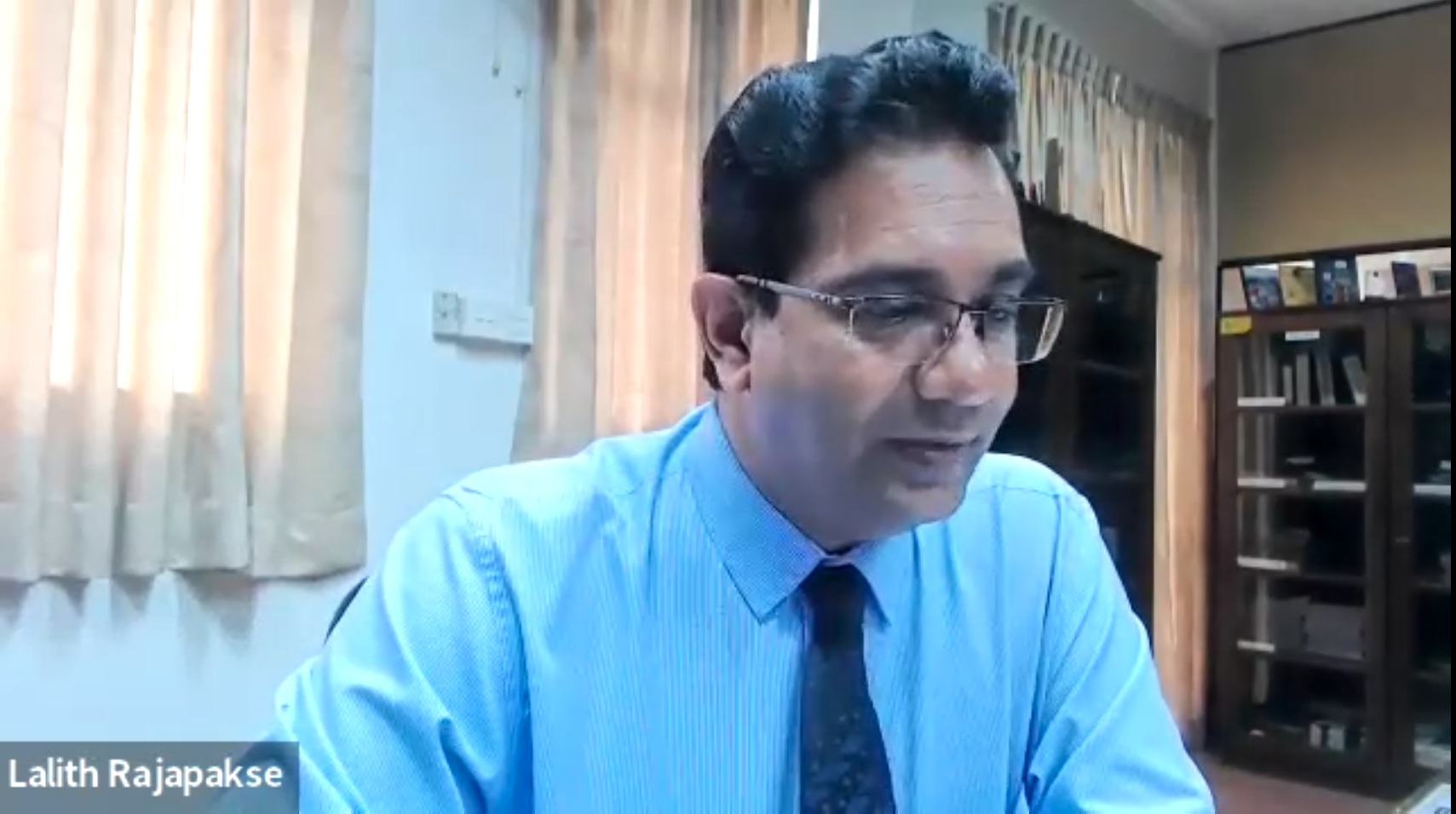
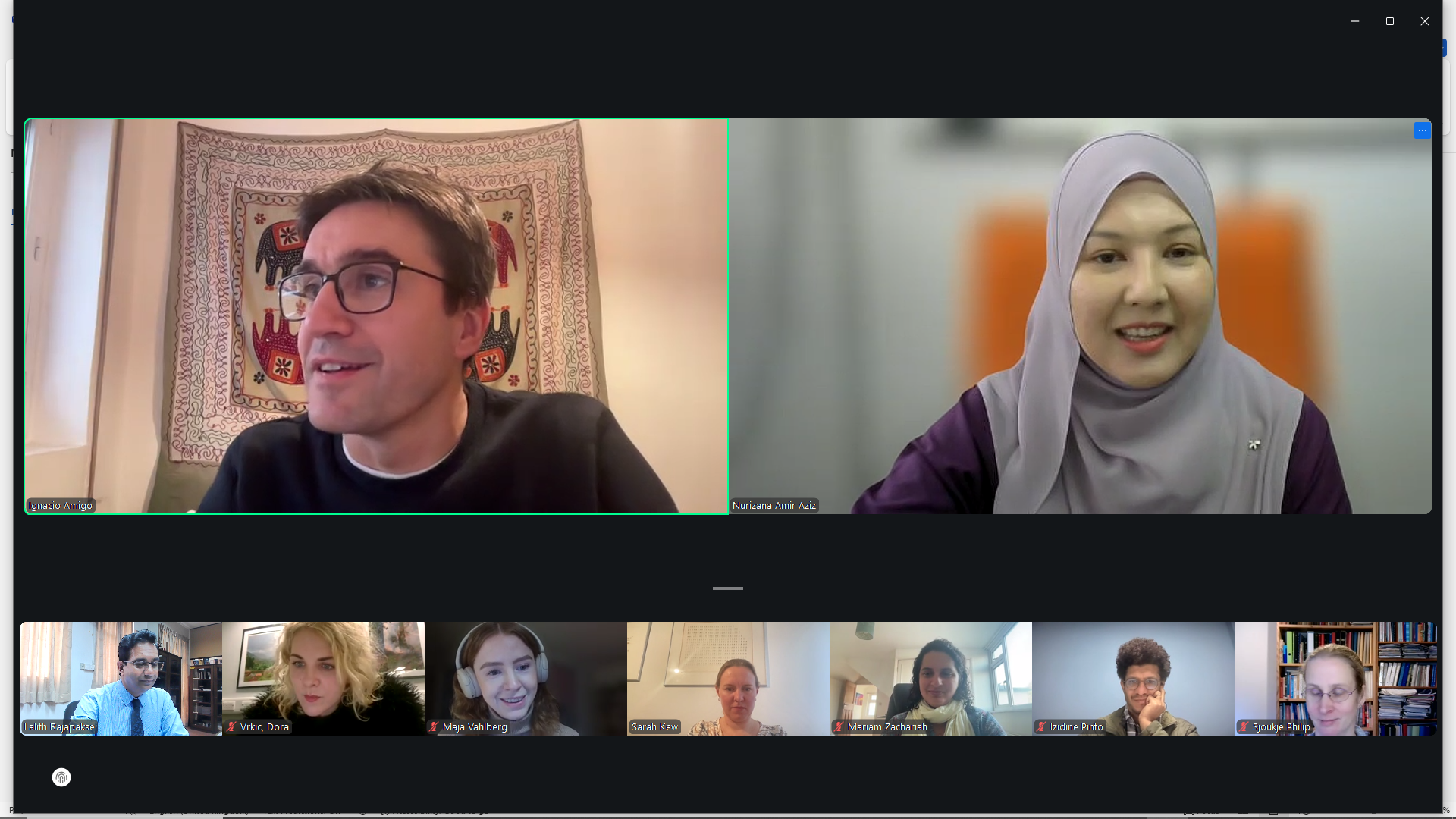
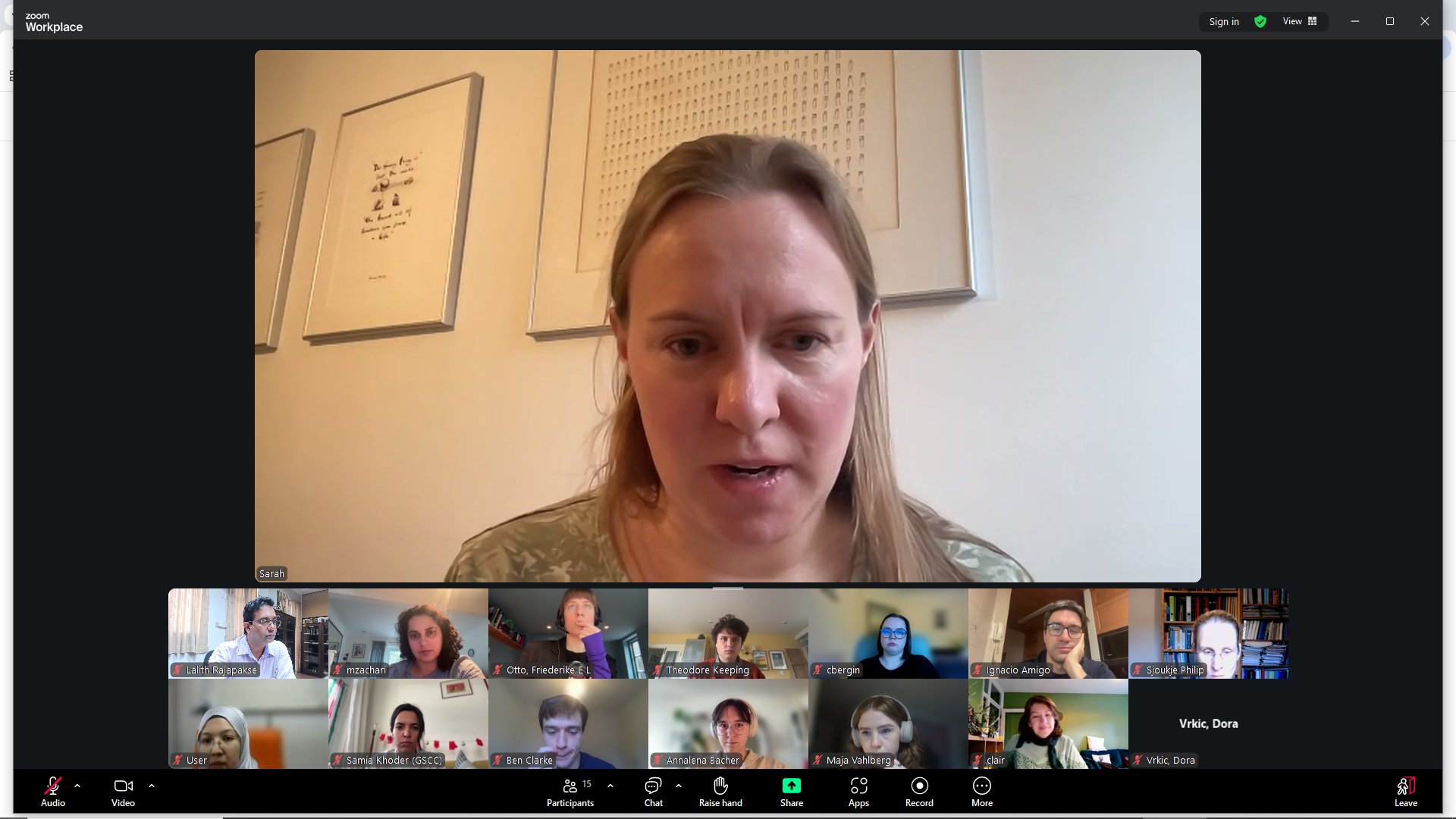
Prof. Lalith Rajapakse, Director of the UNESCO Madanjeet Singh Centre for South Asia Water Management (UMCSAWM) and UNESCO Chair on Sustainable Water Resources Management in South Asia, has joined a global consortium of leading scientists under the World Weather Attribution (WWA) initiative to assess the role of climate change in recent extreme flood events affecting Sri Lanka and the Malacca Strait region (Indonesia).
The international study, titled “Increasing Heavy Rainfall and Extreme Flood Heights in a Warming Climate Threaten Densely Populated Regions Across Sri Lanka and the Malacca Strait,” brings together experts from meteorological agencies, universities, humanitarian organizations, and research institutes across Europe, Asia, Africa, and Oceania. The research provides robust scientific evidence that human-induced climate change has significantly intensified rainfall extremes and flood severity, increasing both the frequency and impacts of such disasters.
Prof. Rajapakse contributed Sri Lanka–specific and South Asian regional expertise, particularly in relation to flood hydrology, river basin response, and the vulnerability of densely populated floodplains and urban areas. His inputs helped contextualize global climate attribution findings within local hydrological processes, water infrastructure constraints, and flood risk management challenges faced by climate-vulnerable countries in South Asia.
The study highlights the urgent need for climate-resilient water and drainage infrastructure, improved flood forecasting and early warning systems, and integrated river basin and urban flood management strategies, especially in rapidly urbanizing and low-lying regions.
The findings have received wide international media attention, including coverage by Reuters, Bloomberg, The Guardian, CBC News, and Earth.org, underscoring the growing scientific consensus that climate change is already amplifying flood risks with major humanitarian and economic consequences.
This global collaboration further strengthens UMCSAWM’s and the UNESCO Chair’s role in advancing science-policy dialogue, regional capacity building, and evidence-based climate resilience strategies for South Asia and beyond.
Authors
- Sarah Kew, Royal Netherlands Meteorological Institute (KNMI), De Bilt, The Netherlands
- Mariam Zachariah, Centre for Environmental Policy, Imperial College, London, UK
- Clair Barnes, Centre for Environmental Policy, Imperial College, London, UK
- Lalith Rajapakse, UNESCO Madanjeet Singh Centre for South Asia Water Management (UMCSAWM), University of Moratuwa, Sri Lanka
- Joseph Basconcillo, Philippine Atmospheric, Geophysical and Astronomical Services Administration, Department of Science and Technology, Quezon City, Philippines
- Shiromani Jayawardena, Regional Integrated Multi-Hazard Early Warning System for Africa and Asia (RIMES). Thailand
- Nurizana Amir Aziz, Malaysian Meteorological Department (MET Malaysia), Petaling Jaya, Selangor, Malaysia
- Claire Bergin, ICARUS Climate Research Centre, Maynooth University, Maynooth, Ireland
- Izidine Pinto, Royal Netherlands Meteorological Institute (KNMI), De Bilt, The Netherlands
- Annalena Bacher, Red Cross Red Crescent Climate Centre, The Hague, the Netherlands (based in Zug, Switzerland)
- Maja Vahlberg, Red Cross Red Crescent Climate Centre, The Hague, the Netherlands; Swedish Red Cross, Stockholm, Sweden (based in Ubmeje/Umeå, Sweden)
- Aynur Kadihasanoglu, Red Cross Red Crescent Climate Centre, The Hague, the Netherlands (based in Geneva, Switzerland)
- Ana Mejía, Red Cross Red Crescent Climate Centre, The Hague, the Netherlands (based in Quito, Ecuador)
- Renate Meyer, Red Cross Red Crescent Climate Centre, The Hague, the Netherlands (based in Cape Town, South Africa)
- Anka Stankovic, Red Cross Red Crescent Climate Centre, The Hague, the Netherlands (based in Oxford, UK)
- Maléki Badjana, Red Cross Red Crescent Climate Centre, The Hague, the Netherlands (based in Madagascar)
- Dora Vrkic, Grantham Institute – Climate Change and the Environment, Imperial College, London, UK
- Emmanuel Raju, Copenhagen Centre for Disaster Research, University of Copenhagen
- Jonatan Lassa, Risk Science, Earth Sciences New Zealand (GNS Science), Aotearoa New Zealand
- Giriraj Amarnath, International Water Management Institute (IWMI), Battaramulla, Sri Lanka
- Sjoukje Philip, Royal Netherlands Meteorological Institute (KNMI), De Bilt, The Netherlands
- Friederike Otto, Centre for Environmental Policy, Imperial College, London, UK
- Ailsa Barrow-Kocher, Met Office, Exeter, UK; Research and Evidence Directorate, Foreign, Commonwealth and Development Office (FCDO), London, UK.
- Dora Vrkic, Grantham Institute – Climate Change and the Environment, Imperial College
- Roop Singh, Red Cross Red Crescent Climate Centre, The Hague, The Netherlands (based in New Jersey, USA)
- David Rogers, Independent Consultant, Switzerland
- Sajanika Sivanu, Red Cross Red Crescent Climate Centre, The Hague, the Netherlands (based in Canada)
Media Coverage & Key Links

Copyright © 2026 UNESCO Madanjeet Singh Centre for South Asia Water Management
WordPress Theme by WPZOOM